I have been trekking in the Himalayas for almost thirty years. What began as an annual break has slowly become an annual discipline.
There are very few places that recharge both the body and the mind. For me, walking in the mountains does that.
It slows you down. It removes noise. It makes you see terrain, water, weather, settlements, people and rituals as one connected system.
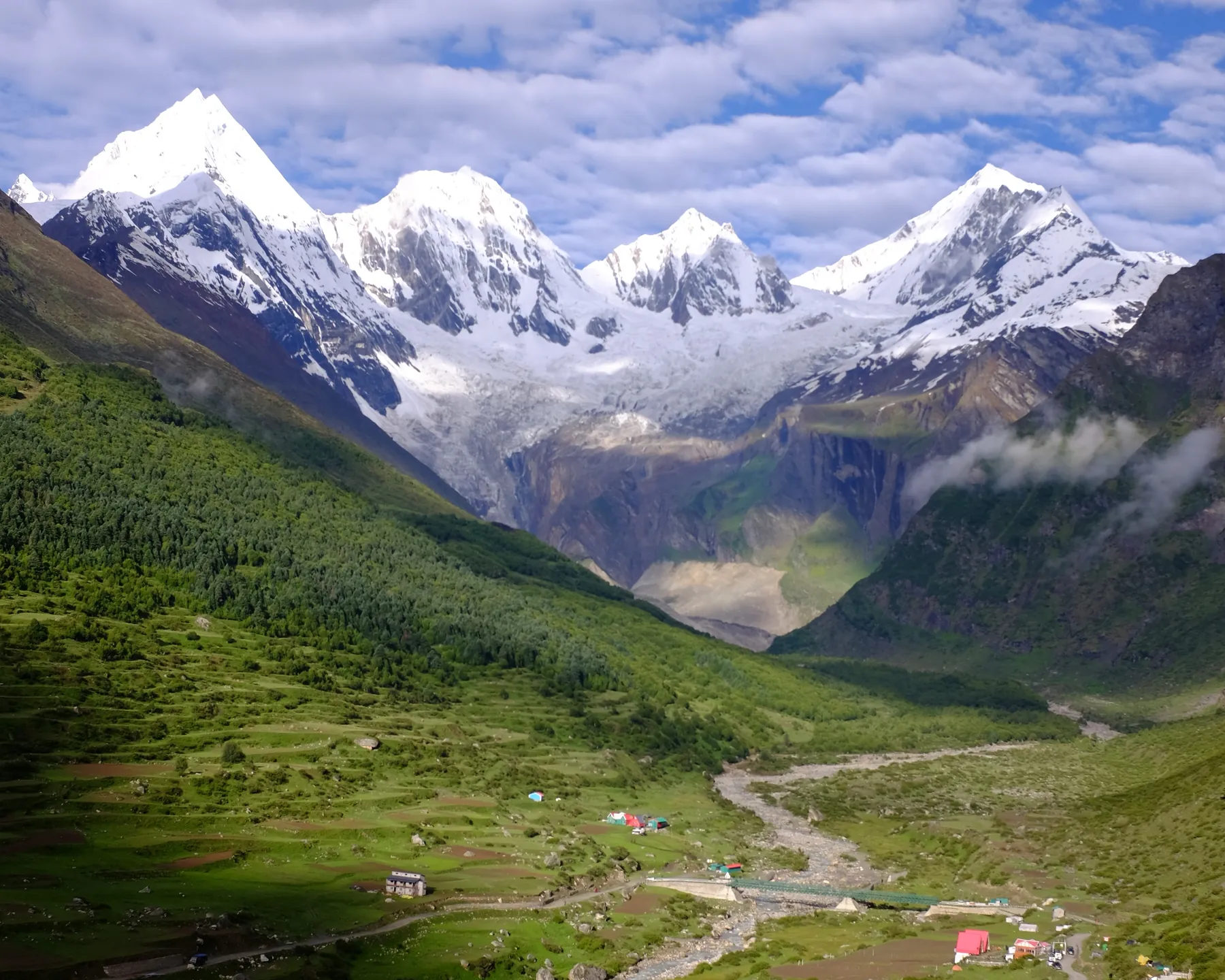
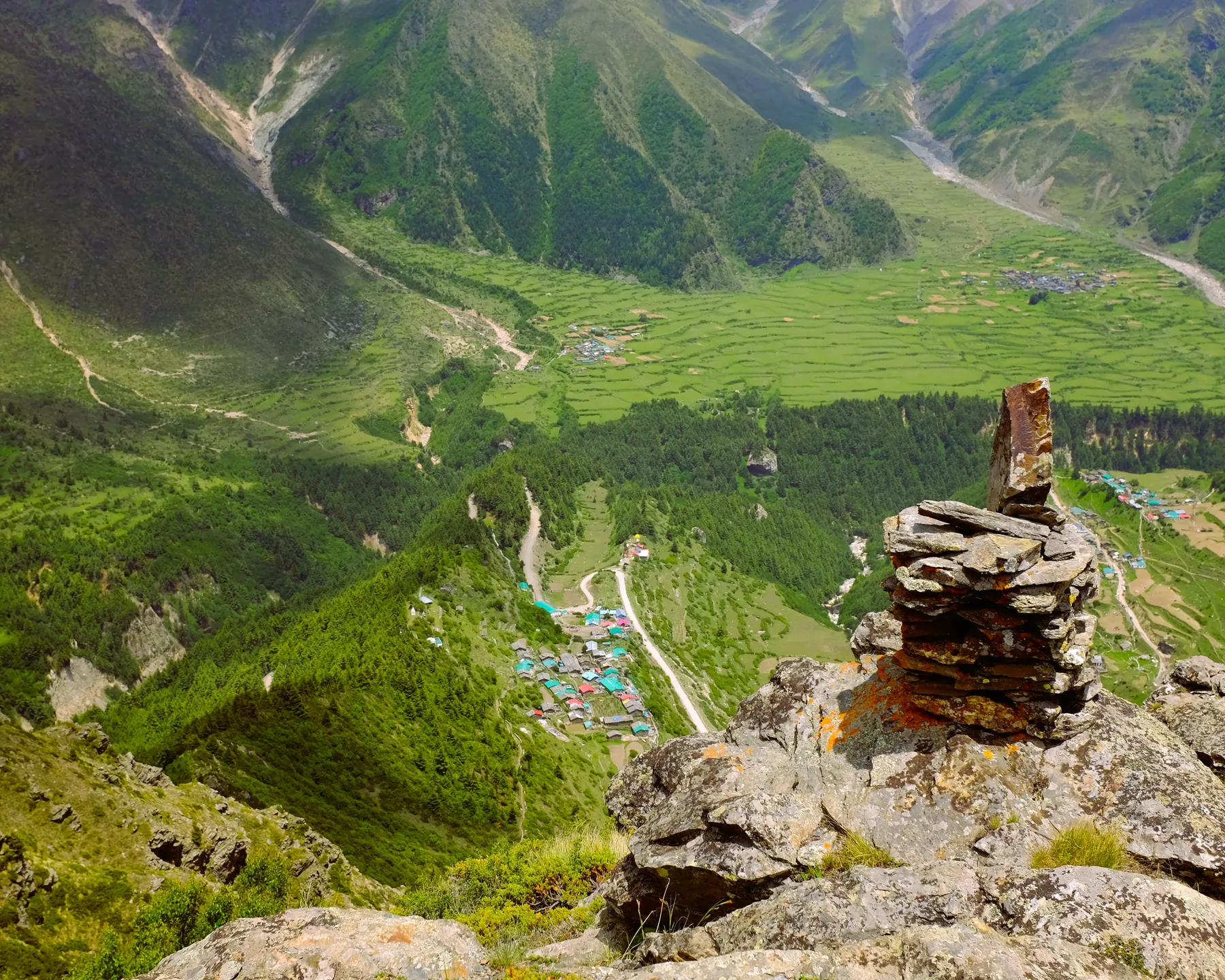
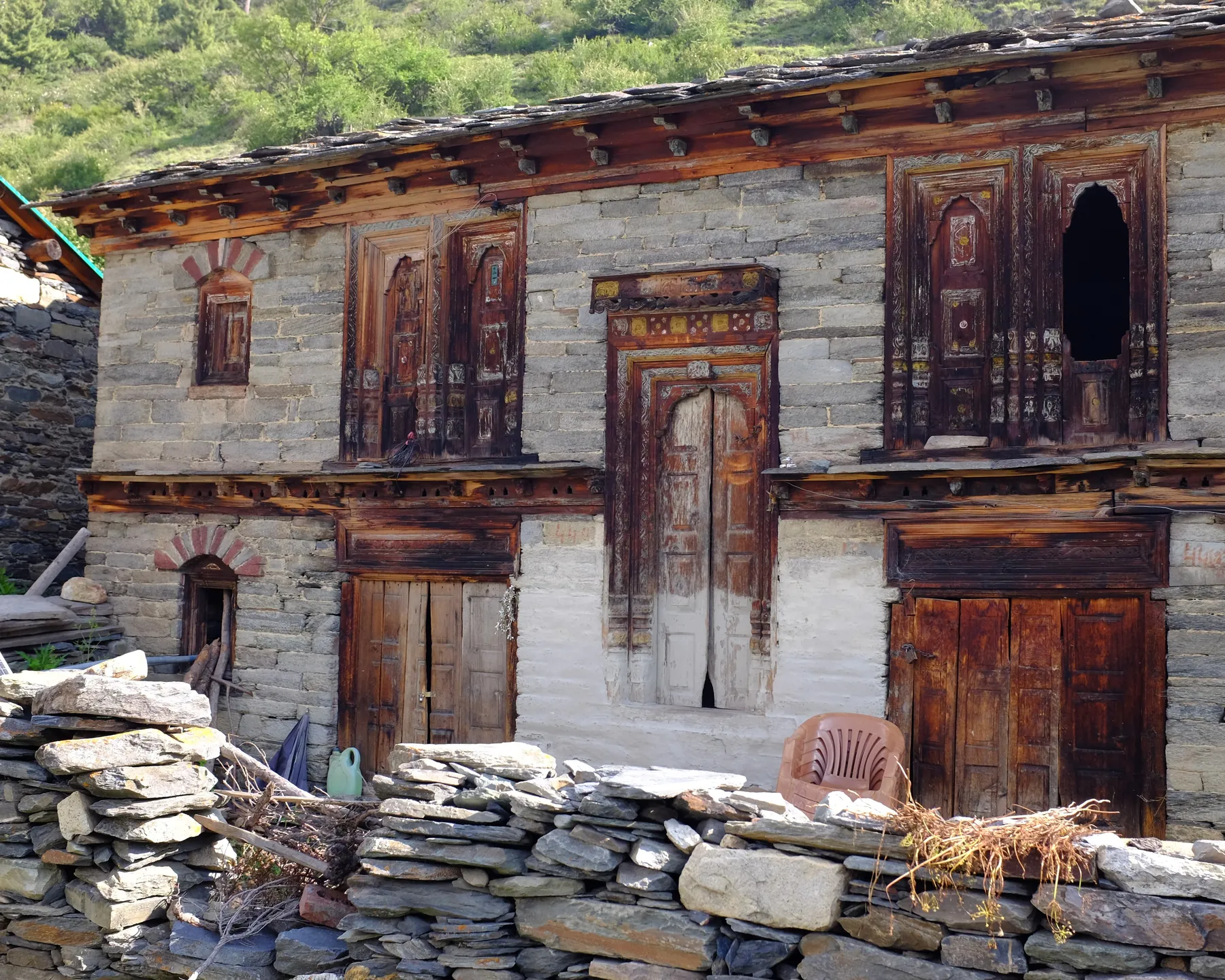
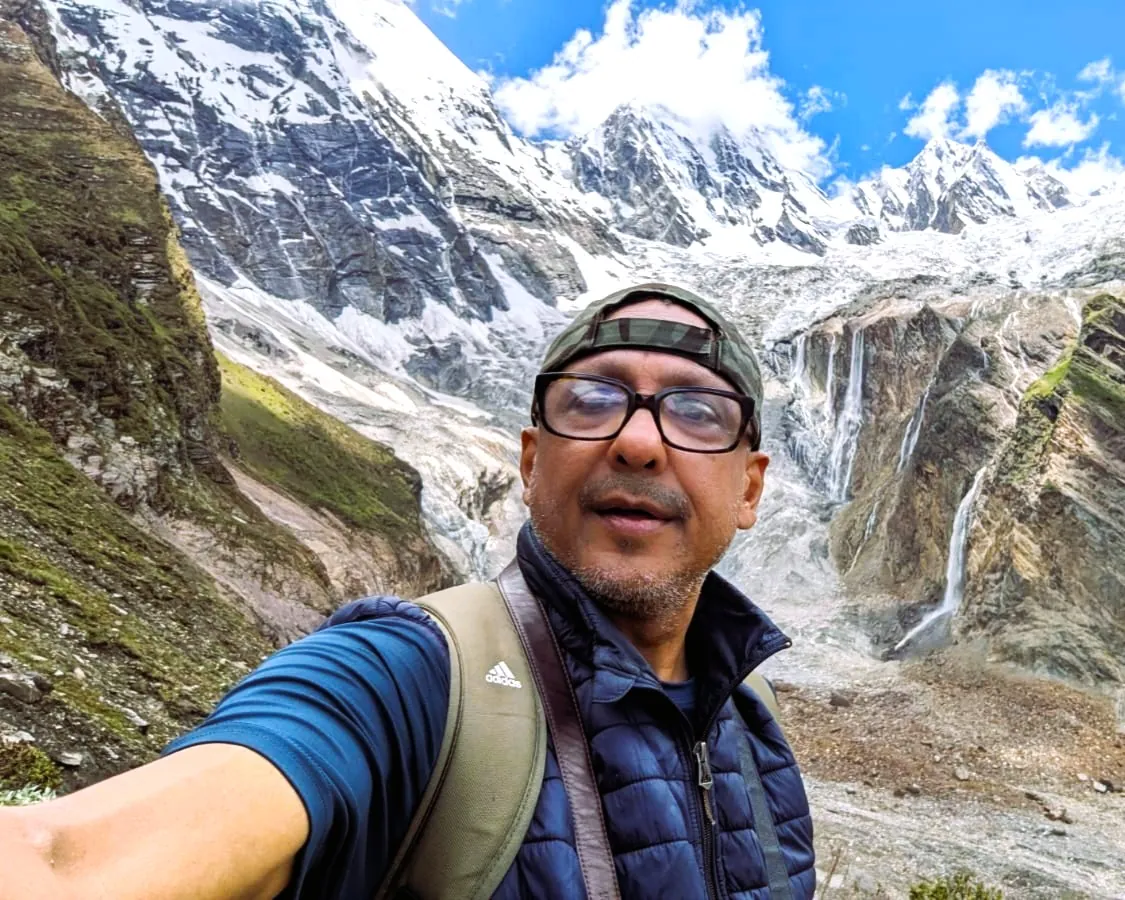
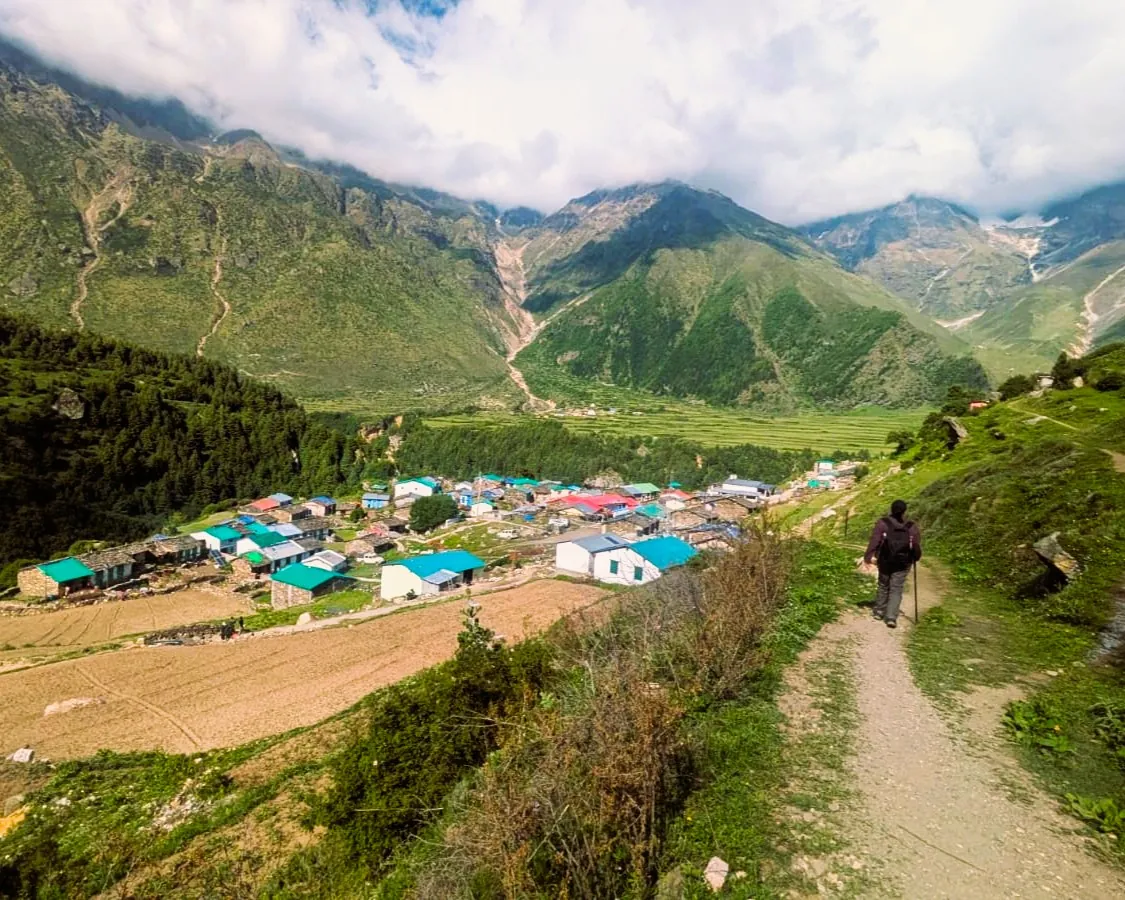
This year, we walked through Darma Valley, close to the Indo-Nepal border, under the shadow of Panchachuli. The valley is home to the Rang community and a chain of high Himalayan villages.
The landscape is extraordinary. But what stayed with me was something deeper. The way community and ecology still speak to each other.
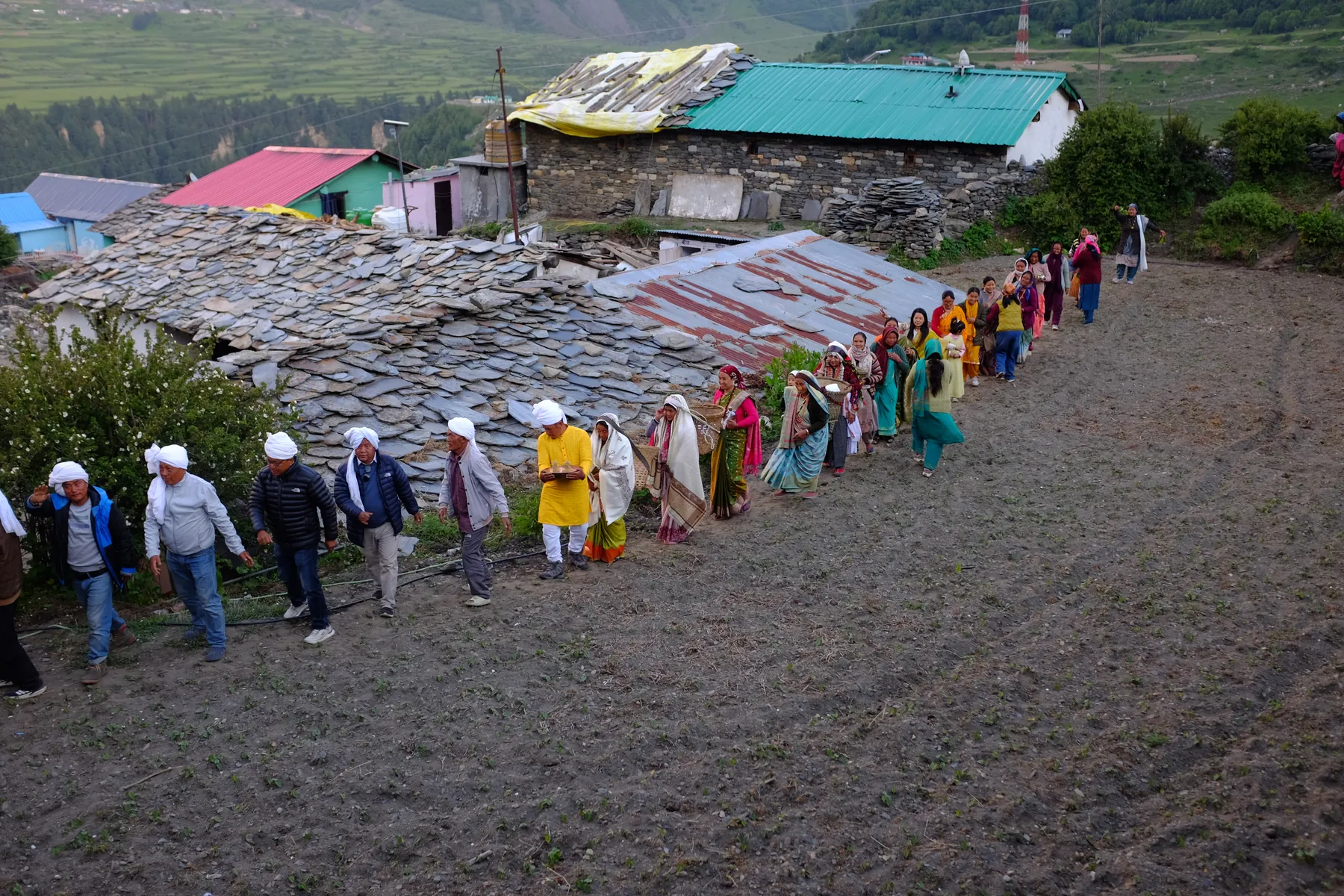
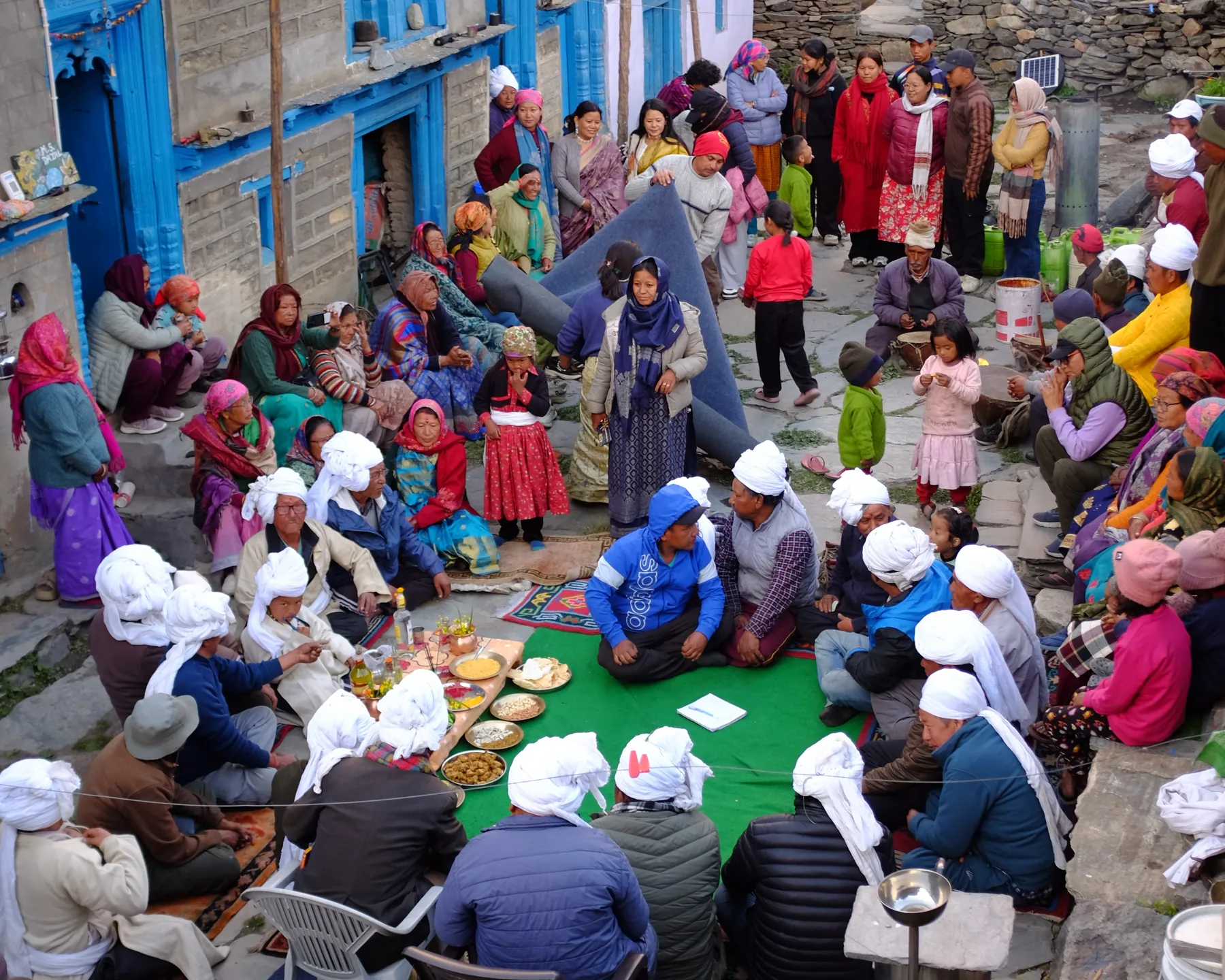
We were fortunate to witness an annual puja in the valley. A deodar tree locally referred to as an Alam, the sacred Dev Vriksha used in the ritual was brought with ceremony. There was song, dance, movement between villages, and the quiet confidence of a community that still knows how to gather and celebrate.
I did not fully understand every layer of the ritual, but I understood what it carried. Memory.
"Climb the mountains and get their good tidings. Nature's peace will flow into you as sunshine flows into trees." — John Muir